When Litter Box Problems Create Household Stress
Litter box training support in Lexington for homes where accidents, avoidance, or multi-cat conflicts disrupt daily routines
Professional Paws offers litter box training support in Lexington, South Carolina for cat owners dealing with inappropriate elimination, litter box refusal, or ongoing accidents despite clean boxes. You call us when puddles appear on carpets, your cat eliminates in corners or bathtubs, or multiple cats compete for limited litter box access. We provide step-by-step guidance that addresses the root causes of avoidance, whether behavioral, environmental, or health-related, and build sustainable habits that restore consistent use.
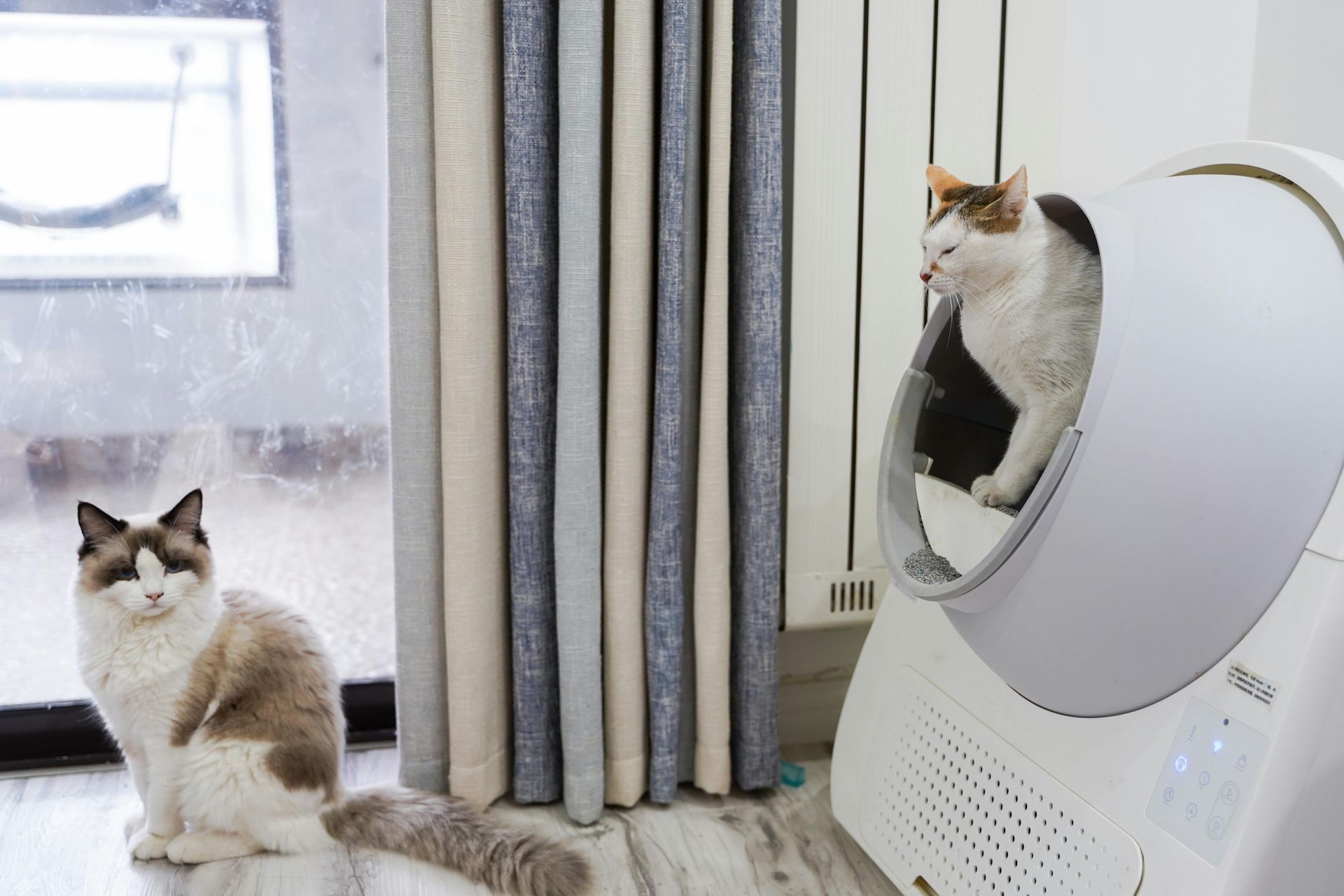
Our support covers kittens learning initial litter box habits, adult cats with established avoidance patterns, and households managing multiple cats sharing litter resources. We assess litter type, box placement, cleaning frequency, and territorial dynamics that influence whether your cat views the box as a safe and appealing option. Training includes recommendations for box size, entry height, covered versus open designs, and litter substrate preferences that match feline instincts.
Contact Professional Paws to schedule an in-home consultation and begin resolving litter box issues with targeted, practical guidance.
Identifying and Correcting Litter Box Avoidance
You begin with an assessment where we review your current litter box setup, observe your cat's behavior around the boxes, and identify environmental or social factors that may discourage use. We check box cleanliness, location relative to food and water, proximity to high-traffic areas, and whether your cat can access the box without encountering other pets or startling stimuli.
After identifying contributing factors, Professional Paws provides a customized plan that may include relocating boxes, switching litter types, adding additional boxes for multi-cat households, or modifying cleaning routines. You will notice your cat returning to the litter box consistently, accidents decreasing in frequency, and elimination happening in appropriate locations rather than hidden corners or soft surfaces. We guide you through transitioning to new litter gradually if texture aversion is a factor, and we address territorial stress in homes with multiple cats by creating separate elimination zones.
Our support includes follow-up check-ins to monitor progress and adjust recommendations as your cat's habits stabilize. We do not provide medical diagnosis, so if avoidance is linked to urinary tract issues, crystals, or other health concerns, we recommend veterinary evaluation before proceeding with behavior modification. Training focuses on creating conditions where your cat reliably chooses the litter box because it meets instinctual needs for privacy, cleanliness, and safety.
Common Questions About Litter Box Training
Owners frequently ask these questions when dealing with litter box avoidance or accidents that persist despite regular cleaning.
What litter type works best for cats who avoid the box?
Most cats prefer unscented, fine-grained clumping litter that mimics sand, though some cats develop preferences based on early exposure, so we test options to find what your cat accepts.
How many litter boxes do I need for multiple cats?
The standard guideline is one box per cat plus one extra, placed in separate locations to reduce territorial conflicts and ensure each cat has private access without waiting or confrontation.
Why does my cat eliminate right next to the litter box?
This behavior often signals that your cat associates the box itself with discomfort, whether from a previous painful elimination, a dirty box, or an unpleasant litter texture, so we address the specific aversion.
How often should I clean the litter box to prevent avoidance?
Daily scooping and weekly full litter changes are standard, but cats with heightened sensitivity may require scooping twice daily and immediate removal of waste to maintain consistent use.
Can you help with litter box training in homes with dogs in Lexington?
We design setups that prevent dogs from accessing litter boxes, using baby gates, elevated placements, or enclosed furniture that allows cat entry but blocks larger animals, reducing stress and contamination.
Professional Paws works with cat owners in Lexington who need reliable solutions for litter box problems that disrupt household routines and damage flooring or furniture. Reach out to discuss your cat's elimination issues and start building better habits with structured support.
Contact Us
Contact Us
We will get back to you as soon as possible.
Please try again later.
Professional Paws
Our Location
Hours
Call Us
Monday - Friday: 9:00AM-5:00PM
Saturday - Sunday: Weekend Appointments Available