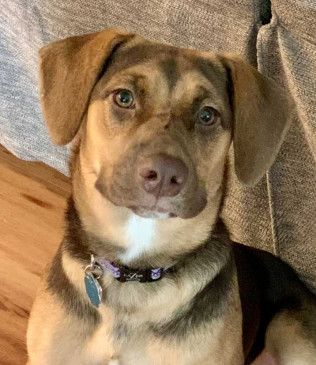
Alert Behaviors Trained for Real Medical Situations
Medical Alert Dog Training in Lexington for handlers who need a dog to recognize and signal specific medical changes
Medical alert dog training begins with a specific, documented need: a handler whose medical condition produces a detectable change a dog can be trained to recognize and signal. Professional Paws provides medical alert dog training in Lexington, working through a structured process that connects scent recognition to a consistent, handler-readable alert behavior. The outcome is a dog whose signal is clear enough that the handler can act on it without second-guessing what the dog is communicating.
The training process at Professional Paws moves through four connected phases. First, where the condition is suited to it, the dog is trained to recognize the specific scent or physiological change associated with the handler's medical condition. From there, a distinct alert signal is established—typically a nudge, a paw, or another behavior selected for clarity and consistency. Handler communication work follows, which focuses on making sure the alert reads unambiguously in real conditions. Throughout all phases, the trained behaviors are practiced across different environments so the dog performs reliably at home, in public, and anywhere the handler regularly goes—not only in the training space where the behavior was first shaped.
Arrange a consultation with Professional Paws to review your medical situation and discuss which training approach fits your dog and your daily routine.
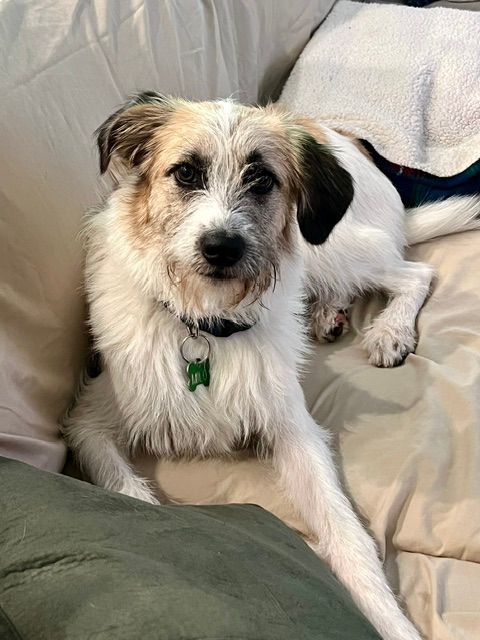
How Scent Recognition and Alert Training Work Together
Scent recognition training is task-specific: the dog is conditioned to detect a particular odor or biochemical change, not a general sense that something is wrong. That specificity is what separates a trained medical alert dog from a dog that simply reacts to its handler's stress or movement. Once the scent recognition is stable, alert signal training gives that recognition a usable output—a repeatable behavior the handler can identify and respond to.
After training is complete, what handlers notice is a dog that initiates contact in a specific, deliberate way rather than simply hovering or acting unsettled. The alert behavior looks the same each time it occurs because consistency was built into the training, not assumed. That predictability is what makes the alert functional rather than ambiguous.
Environment generalization is a critical variable in this work. A dog that alerts accurately in a quiet training room but fails in a crowded pharmacy or a busy workplace has an incomplete skill set. Training across multiple environments—including spaces the handler actually uses—is not optional; it is the step that determines whether the trained behavior holds when it matters most.
What Property Owners Ask About the Work
These questions address how medical alert dog training works in practice, including what the training process involves and what determines whether a dog is suited for this work.
What kinds of medical conditions are suited to scent-based alert training?
Conditions that produce a detectable biochemical change—such as shifts in blood chemistry or hormonal output—are among those where scent recognition training may be appropriate. Suitability depends on the specific condition, the dog's aptitude, and how the training plan is structured.
How is the alert signal selected for each dog and handler?
The alert behavior is chosen based on what the dog performs reliably and what the handler can recognize quickly. A nudge, a paw, or another trained contact behavior is selected because it is both consistent and physically readable in real situations.
What happens if the dog alerts in an unfamiliar environment?
Environment generalization training addresses this directly. Behaviors practiced only in one location tend to weaken when the setting changes, so alert training is deliberately repeated across different spaces—including those the handler regularly occupies in Lexington—to build reliable performance outside the training context.
How does handler communication training differ from basic obedience work?
Handler communication training is focused on the interaction between the dog's alert behavior and the handler's ability to read and respond to it. It is not about commands the handler gives; it is about making sure the dog's signal is clear, repeatable, and distinguishable from ordinary behavior.
What does consistent alert practice involve after initial training is complete?
Reinforcing trained alert behaviors requires ongoing practice that exposes the dog to varied conditions. The goal is to maintain the precision of the scent recognition and the clarity of the alert signal over time, so performance does not degrade with reduced repetition.
Professional Paws works with handlers in Lexington to build alert behaviors that hold across the situations that actually define a handler's daily life. To review your specific medical circumstances and talk through how training would be structured, contact Professional Paws directly to set up an initial consultation.
Contact Us
Contact Us
We will get back to you as soon as possible.
Please try again later.
Professional Paws
Our Location
Hours
Call Us
Monday - Friday: 9:00AM-5:00PM
Saturday - Sunday: Weekend Appointments Available